
A 5-minute read written by Itza Rojas Tujab
Did you know that trends on unrestricted giving have changed in recent years? In an article by Julia Rohrer and Haley Grieco-Page published by Dalberg [1], the authors point out that, for approximately 20 years, donations in the United States allocated to operating expenses accounted for around 20% annually. By 2025, however, this trend had shifted to 35%. Yay! Trusting donors are getting its importance.
My perspective, shaped by many years of working with organizations across Latin America and at Radical Partners, has helped me understand that securing funding for overhead costs can often be a significant challenge. The question I always raise is how we can raise unrestricted funds that allow us to sustainably cover essential expenses, such as personnel, and the fixed costs that support an organization's high-impact, programmatic work. My favorite answer to that question is Giving Days, such as Give Miami Day, not only because I deeply value the concept, but also because I believe these initiatives can be designed to meet an organization's broader needs.
Bathi and Burk [2] describe Giving Days as “the democratization of philanthropy”, a concept I would love to embrace. A collective effort to mobilize millions of dollars and hundreds of donors in support of more than 1,000 organizations is a tangible example of a common yet often underestimated saying: “Unity is strength.”
At Radical Partners, we are always looking for ways to remind people of the power of collective action. Personally, I see a golden opportunity to talk about this as we approach such a powerful movement and the giving season.
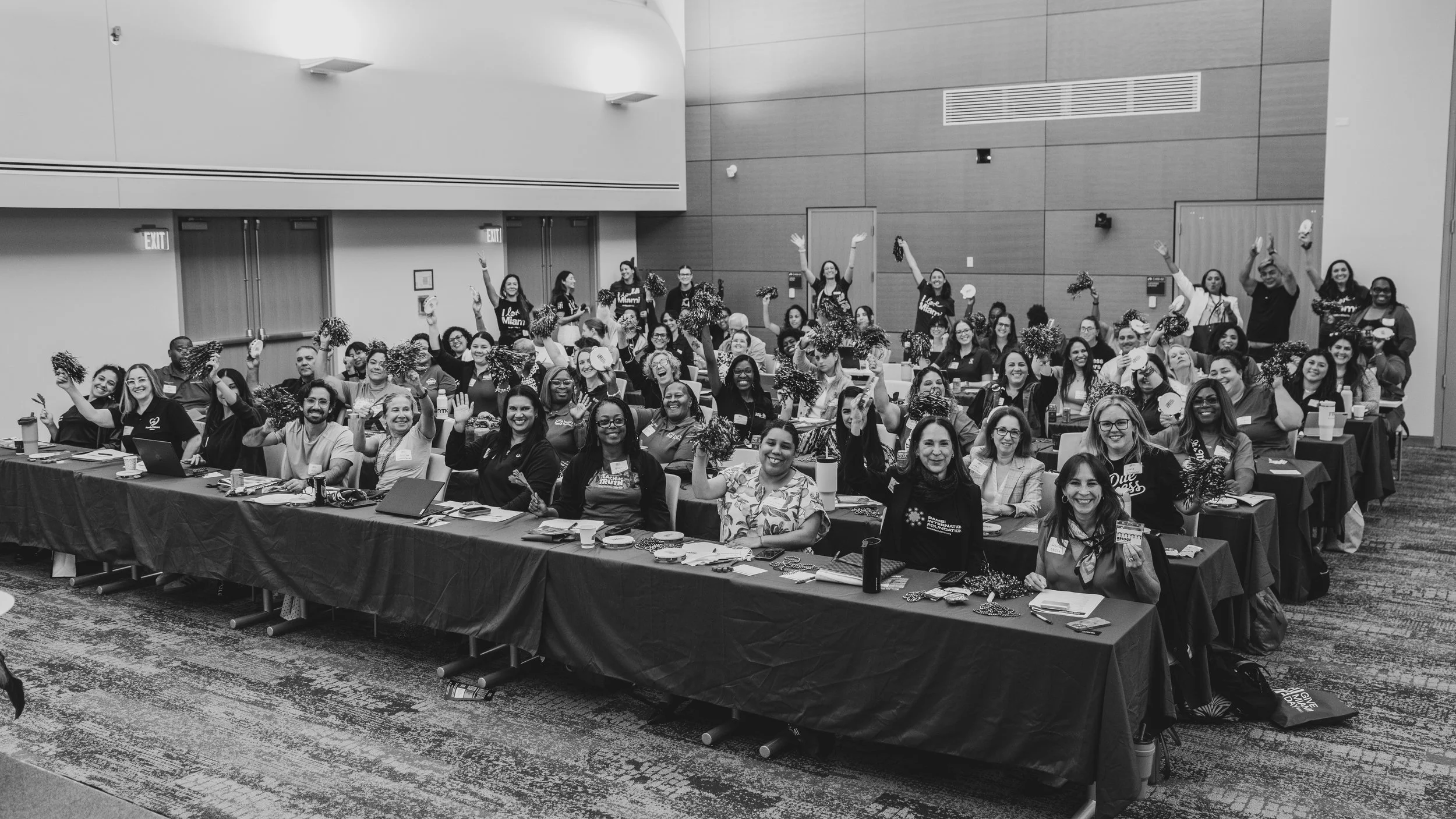
The Power of Giving Days and Celebrating Generosity
The concept of Giving Days around the world deserves further study and broader adoption as a way to raise funds and highlight the daily work of so many people in the social sector across different countries. Organizational leaders could amplify their efforts by establishing a designated day, identifying an entity to coordinate and facilitate event preparation, and mobilizing enough partners to contribute through mechanisms such as matching donations, pooled gifts, and other forms of support.
The overwhelming amount of information shared on social media and through other communication channels can make it difficult to attract individual donors, who must decide which organization to donate to or which cause to support. Increasingly, fundraising depends on what can go viral and on a few key partnerships with individuals or organizations that can amplify a message. By contrast, bringing causes together through a movement designed to amplify their messages can be a collective response that highlights the initiatives and work underway to create a more inclusive and just society.
Giving Days have emerged in different parts of the United States, where cities such as Miami and communities across North Carolina bring together stakeholders throughout the social impact ecosystem. Since 2009, these initiatives have grown exponentially. Some of the best-known events built around this concept include GivingTuesday [3], Give Miami Day, North Texas Giving Day, Colorado Gives Day, GiveBIG (Washington/Seattle), and Extra Mile / Give Big Pittsburgh [2]. Giving Days have been particularly effective in encouraging donations at different levels across the country. The range of giving options, incentives that help multiply donations, and the real-time visibility of contributions can all be understood as a celebration of generosity and community solidarity.
Locally in our home, The Miami Foundation has helped raise more than $43 million just in 2025 [4]. Like any celebration, a Giving Day requires extensive preparation. Its main stages include strategy, execution, closing out the campaign, and accountability. With that in mind, here are some of the lessons I can share as part of a team that has participated in Give Miami Day for more than nine years.
Giving Days Through My Lens
After reflecting on how important Giving Days can be, I want to share some principles I've identified over the past three years as part of Radical Partners and our Give Miami Day fundraising strategy. I'm sharing these insights with anyone currently running a fundraising campaign for Give Miami Day or a similar movement. They're also for anyone considering supporting a cause and interested in understanding the many elements involved in making a campaign successful:
Love on your Annual Operating Budget: Building annual revenue streams requires a significant strategic commitment. This means exploring opportunities at the local, national, and global levels. If your city has a movement like Give Miami Day, I recommend aligning your participation with your organization's operating budget.
Set Goals: Identifying your fundraising target, along with other goals you want to achieve through a Giving Day, is a commitment that requires investing resources such as time and staff capacity. That's why I recommend holding a team debrief after each campaign to review the results and identify new goals for the following year. We have consistently increased our results across several indicators, including: a) Total funds raised; b) Number of donors engaged; and c) Engagement in other related activities, such as the GMD 5K.
Your Why and Your What are your best friends: Identify the areas you want to raise funds for. In our case, we aim to strengthen our Leadership Development and Community Engagement initiatives. We want to continue supporting our network of social impact leaders throughout the year.
Be Sassy, Brag About Your Organization and Your Team: If you still feel hesitant about putting yourself out there, remember that this is the perfect time to raise your voice, make your mission visible, and ask for support. If you're already in conversations with potential donors, you can use the Giving Day platform to receive their contributions.
Build Your Campaign Collectively: Every team and department in your organization should contribute to achieving the goals you've set. This year, one of our goals was to highlight our work through the 5K Race + Festival on November 14. This also connects with our social media communications strategy around team wellness.
Share Knowledge: The Give Miami Day movement powered by The Miami Foundation, for example, offers a wide range of resources to help organizations design their strategies, get their questions answered, expand their networks, and much more. At Radical Partners, our Office Hours have given us the opportunity to answer questions and share recommendations about the tools we use, such as our MightyCause profile. Sharing what we've learned and receiving feedback are valuable opportunities this season provides.
Enjoy the Experience! This is a wonderful opportunity to show that your ideals and proposals for society are grounded in a strong human commitment to solidarity and engagement. Collective campaigns create opportunities for organizations to feel part of a larger movement. Celebrating your mission alongside others brings us closer to social transformation.
Gratitude and Accountability, always: If your organization already has an annual process for reporting its work, Give Miami Day should be part of the story you share the following year. Show how these funds helped strengthen your organization's work. This creates a feedback loop that informs the next year's campaign. I would also emphasize that the support we receive from staff members' friends and family, as well as other individual donors, deserves an important place in your campaign wrap-up. Every dollar received is a message of solidarity and appreciation for your organization's work.
To close, I want to remind you that Giving Days are one of several opportunities to seek funding for the work that other programs and funding sources do not cover. Understanding annual trends is also essential, so I’m gifting you a few additional resources that can serve you year-round:
How to Plan a Giving Day: 10-Step Guide for Fundraisers by Almabase
And of course, we're always happy to support you through our free Office Hours, which we offer weekly and virtually.
I hope that you've found valuable insights and practical tips in this article that will help you embrace this giving season as a leader carrying out your Give Miami Day strategy.
And perhaps I have also ignited your desire to invest in the work that Radical Partners does for other for-impact organizations. If so, I invite you to learn more, donate, open doors to new opportunities, strengthen our social fabric, and help build more prosperous communities.
Either way, thank you and good luck to you, change-maker.
If you want to chat about this and more, email me at itza@radicalpartners.net.
References
[1] Dalberg. A New Generation of Giving: Five Philanthropic Trends We Are Watching in 2026. Read the article.
[2] The Landscape of Community-Based Giving Days in the United States. Read the study.
[3] Bonterra. What Is a Giving Day? FAQs & Complete Planning Guide. Read the guide.
[4] Give Miami Day Brings in a Record $43.8 Million. Check Out the Leaderboard. Miami Herald. Read the article.
